The Benefits of a Natural Baby Hair Brush: What Every New Parent Should Know
When you're preparing for a newborn, a hair brush probably isn't top of your list. Nappies, sleepsuits, bottles—those seem obvious. But here's what nobody tells you until you're knee-deep in week three: a proper baby hair brush isn't just about tidying wispy hair. It's a tool that helps with cradle cap, soothes a fussy baby, and becomes part of a calming bedtime routine that actually works.
Not all baby brushes do this. Synthetic bristles, rough handles and poorly designed brushes can irritate delicate scalps rather than help them. The difference between a basic brush and a well-made natural one isn't just aesthetic. It's functional, measurable and worth understanding before you buy.
Why Scalp Stimulation Matters for Your Newborn
Newborn skin is thinner and more delicate than adult skin. The scalp is particularly sensitive, which is why you need to treat it carefully. But careful doesn't mean avoiding it altogether. Gentle stimulation through brushing brings genuine benefits.
Blood Flow and Healthy Growth
When you brush a baby's scalp with soft, natural bristles, you're encouraging blood circulation to the hair follicles. Better circulation means healthier follicles, which supports normal hair growth. This isn't about forcing hair to grow faster—newborn hair does what it wants—but about creating the right conditions for healthy development.
Babies born with full heads of hair and babies born practically bald both benefit from this. The scalp stimulation works regardless of how much hair is visible.
Cradle Cap Prevention and Management
Cradle cap is that crusty, yellowish buildup that appears on many newborns' scalps. It's harmless but looks unpleasant and can sometimes itch. Regular gentle brushing helps prevent cradle cap by distributing the scalp's natural oils evenly and loosening any dry skin before it builds up into thick patches.
If cradle cap has already appeared, a natural bristle brush works brilliantly to lift the flakes gently without scratching or irritating the skin underneath. You're not scrubbing—you're coaxing the dry skin away whilst massaging the scalp beneath.
Oil Distribution
Baby scalps produce natural oils that protect and nourish the skin and hair. Without brushing, these oils sit unevenly, creating dry patches in some areas and greasy buildup in others. A proper brush with natural bristles picks up those oils and distributes them along the hair shaft and across the scalp surface, keeping everything balanced.
This is particularly important in the early months when you're not washing a baby's hair daily. The brush does some of the work that regular washing would do in older children.
Sensory Development and Calming
Babies are learning to process sensory input constantly. Gentle brushing provides a calming, rhythmic sensation that many babies find soothing. Parents report that brushing before bed helps settle fussy babies, and there's a reason for that. The repetitive, gentle pressure stimulates the nervous system in a way that promotes relaxation.
Think of it like a very gentle head massage. Adults find head massages relaxing. Babies respond similarly.
Natural Bristles vs Synthetic: Why It Actually Matters
Walk into any shop and you'll find baby brushes with nylon or plastic bristles. They're cheap, brightly coloured and marketed as "easy to clean." They're also far less effective than natural bristles, and here's why.
How Natural Bristles Work
Natural bristles—typically goat hair or boar bristle—have a structure that synthetic materials can't replicate. Each bristle has tiny scales along its surface, similar to human hair. These scales catch and distribute the scalp's natural oils as you brush, moving them from root to tip.
Goat hair bristles are particularly soft, which makes them ideal for newborn scalps. They're firm enough to stimulate circulation and lift cradle cap flakes, but gentle enough not to scratch or irritate delicate skin.
The Problem with Synthetic Bristles
Nylon and plastic bristles are smooth. They can't pick up and distribute oils the way natural bristles do. They also tend to be stiffer, which means they're more likely to irritate a baby's sensitive scalp or pull on fine hair.
Synthetic bristles create static, which makes baby hair stand on end rather than lying smooth. Natural bristles reduce static, leaving hair calmer and easier to manage.
Longevity and Performance
A well-made natural bristle brush lasts for years. The bristles don't break or splay out the way plastic ones do. You can use the same brush from newborn through toddlerhood and beyond. Many parents keep them as keepsakes or pass them down to younger siblings.
Natural bristles also hold their shape better when wet, which matters if you're brushing after a bath. Synthetic bristles tend to clump together when damp, reducing their effectiveness.
Safety Considerations
Natural materials don't leach chemicals. With synthetic brushes, you're looking at potential exposure to BPA, phthalates or other compounds that manufacturers use in plastics. For something you're using daily on a baby's head, natural materials remove that concern entirely.
Why Olivewood Specifically: What Makes It Different
Most natural baby brushes use beech, maple or walnut handles. These are fine woods, but olivewood sits in a category of its own.
Density and Durability
Olive trees grow slowly in challenging Mediterranean conditions. This creates an incredibly dense, hard wood that's naturally resistant to splitting, cracking and water damage. A beech handle might warp if it gets wet repeatedly. Olivewood won't.
This matters more than you'd think. Babies grab things, drop things, and occasionally chew on things they shouldn't. An olivewood handle survives all of this whilst looking beautiful.
Natural Antibacterial Properties
Olivewood contains compounds that inhibit bacterial growth. This doesn't mean you can skip cleaning the brush, but it does mean the wood itself isn't creating a breeding ground for bacteria between uses.
For something that's in regular contact with a baby's scalp—which can be sweaty, oily, or affected by cradle cap—this natural protection adds an extra layer of hygiene.
Weight and Balance
Olivewood is heavier than most woods used for baby brushes. This gives it better balance in your hand. You're not fighting to control a lightweight brush that bounces around. The weight centres the brush, making it easier to use with gentle, controlled strokes.
Sustainability
Olive trees are pruned regularly as part of normal cultivation. The wood for these brushes typically comes from pruning offcuts rather than felling whole trees. You're using a byproduct of olive oil and olive production, which makes it one of the more sustainable wood choices available.
Aesthetic Appeal
This shouldn't be the main reason, but it matters: olivewood is beautiful. The grain varies from piece to piece, with warm honey tones and distinctive patterns. It looks lovely on a changing table or nursery shelf, which means you're more likely to keep it out where you'll actually use it rather than hiding it in a drawer.
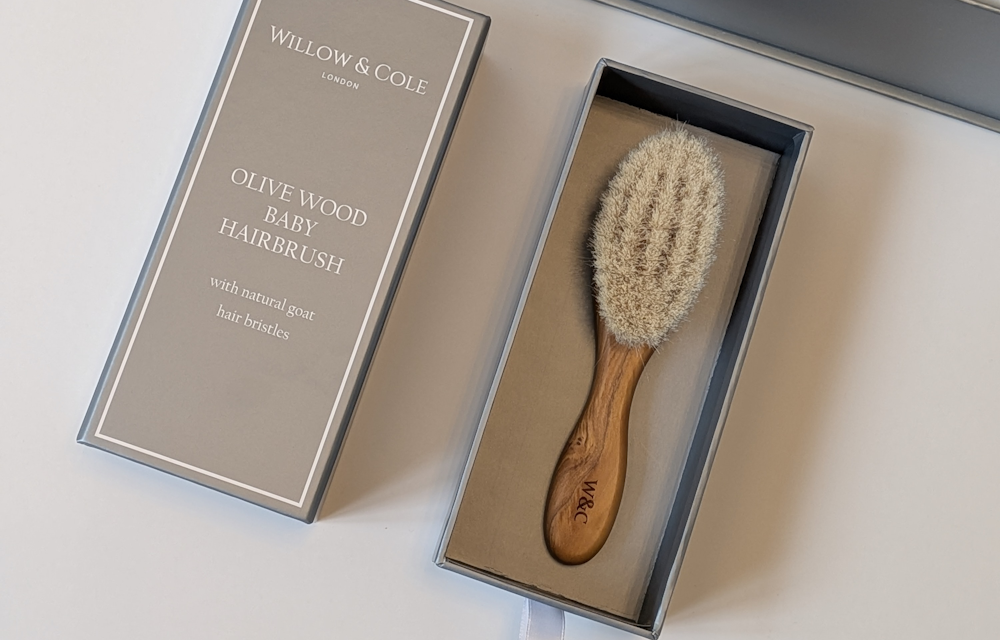
Willow and Cole's olivewood baby brush combines olivewood handles with natural goat hair bristles, bringing together the benefits of both materials in one thoughtfully made piece.
How to Brush a Newborn's Hair: A Practical Guide
Using a baby brush properly makes all the difference. Here's what actually works, based on what parents learn through trial and plenty of error.
Frequency: Daily is Ideal
Once a day is enough for most babies. Morning or evening both work—pick whichever fits your routine. Many parents brush after the bath as part of the bedtime wind-down, but you don't need to tie it to bathtime if that doesn't suit you.
If your baby has cradle cap, you might brush twice daily until it clears. Just keep the sessions gentle and brief.
Technique: Gentle Strokes in One Direction
Hold the brush comfortably, letting the weight of the olivewood handle guide your hand. Use light, sweeping strokes in the direction the hair naturally grows. You're not scrubbing or pressing hard—the bristles do the work.
For babies with very little hair, brush the scalp directly. The stimulation and oil distribution work whether there's visible hair or not.
If you encounter cradle cap patches, don't try to scrape them off. Brush over them gently in the normal direction. The flakes will lift gradually over several sessions.
Duration: Keep It Brief
Thirty seconds to a minute is plenty. This isn't a marathon grooming session. You're creating a pleasant, calming ritual, not a chore. If your baby starts fussing, stop. Try again later when they're calmer.
Some babies find it soothing immediately. Others need a few sessions to get used to the sensation. Be patient.
When to Brush
Dry hair works best for daily brushing. The bristles distribute oils more effectively when hair isn't wet. That said, you can brush wet hair gently after a bath if you prefer—just expect it to take longer to dry.
Avoid brushing if the scalp looks irritated or has any cuts or rashes. Wait until it's healed.
What About Brushing the Soft Spot?
The fontanelle—that soft spot on top of a baby's head—can be brushed. It's protected by tough membrane underneath. Gentle brushing won't hurt it. Just don't press hard or scrub vigorously, which you shouldn't be doing anyway.
Many parents worry unnecessarily about this. Normal, gentle brushing is completely safe.
Cleaning Your Brush
Once a week, remove any loose hair caught in the bristles. Every few weeks, wash the bristles with a tiny amount of mild baby shampoo and warm water. Rinse thoroughly and lay the brush flat to dry, bristles facing down, so water doesn't sit in the base.
Don't submerge the olivewood handle. Wipe it with a damp cloth if needed, but keep it out of standing water.
Including a Natural Baby Brush in a Gift
If you're buying a gift for new or expectant parents, a natural baby brush is one of those items they probably haven't thought to add to their registry but will use constantly once they have it.
Why It Works as a Gift
It's practical, which means it won't gather dust. It's beautiful enough to feel special rather than utilitarian. It's something many parents don't know they need until someone gives it to them. And it comes with genuine benefits rather than being decorative nonsense.
At around £28, Willow and Cole's olivewood baby brush sits at a price point that feels generous without being excessive. It's substantial enough to be memorable, affordable enough to buy without a group contribution.
Pairing It With Other Items
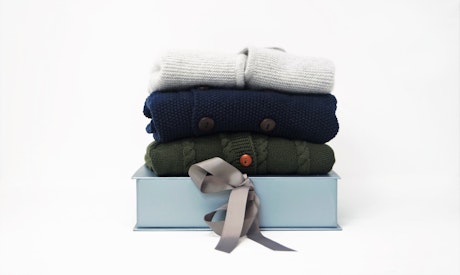
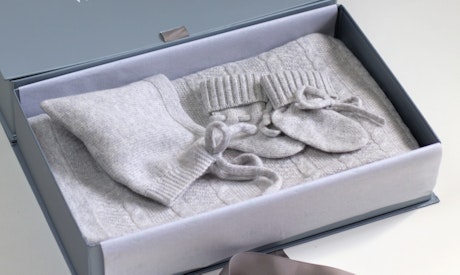
The brush works brilliantly as part of a larger gift set. Pair it with a soft toy, a cashmere blanket, or quality muslins. Willow and Cole's curated gift sets often include the olivewood brush alongside complementary pieces, creating a cohesive gift that feels thoughtfully put together.
Alternatively, buy the brush on its own and pair it with a handwritten card explaining what it does. Many people receive brushes as gifts and don't realise they're meant for scalp massage and cradle cap prevention, not just styling. A quick note helps them understand the value.
Presentation Matters
The brush comes in Willow and Cole's signature gift box, which removes the wrapping headache. You can hand it over directly, include a personalised message card, and know it looks appropriate for a baby shower, christening, or hospital visit.
For colleagues or acquaintances, the brush on its own is plenty. For closer friends or family, consider pairing it with something else to create a more complete gift. See our blog article on choosing the ideal newborn gift.
Timing
Baby brushes work as baby shower gifts, newborn arrival gifts, or christening presents. They're useful from day one and continue being useful for months, which gives them longevity that many baby gifts lack.
Frequently Asked Questions
When should I start using a baby hair brush?
From birth onwards is fine. Newborns benefit from the scalp stimulation and oil distribution even if they have minimal hair. Start gently, keep sessions brief, and watch how your baby responds. Most settle into it within a few days.
Will brushing make my baby's hair grow faster?
No. Brushing stimulates the scalp and supports healthy follicle function, but it doesn't accelerate growth beyond your baby's natural rate. What it does do is create better conditions for healthy hair when it does grow, and it helps distribute oils that keep existing hair looking shinier and healthier.
My baby hates having their hair brushed. What should I do?
Try different times of day. Some babies tolerate brushing better when they're calm and full rather than tired and hungry. Keep initial sessions very brief—even ten seconds is fine to start. Gradually extend the time as they get used to the sensation. Singing or talking gently whilst you brush can help distract and soothe them.
Can I use the same brush for bath time and daily brushing?
Yes, but keep it clean. Rinse the bristles after wet brushing and let the brush dry completely before the next use. The olivewood handle copes well with occasional damp exposure, but don't leave it sitting in water.
How long does a natural bristle brush last?
Years, if you treat it properly. Natural bristles don't break down the way synthetic ones do. You can use the same brush from newborn through toddlerhood. Many parents keep them as keepsakes or pass them to younger siblings.
What's the difference between goat hair and boar bristle brushes?
Goat hair is softer and more flexible, which makes it ideal for newborn scalps and fine baby hair. Boar bristle is slightly firmer and works better for thicker hair or older children. For newborns and young babies, goat hair is the better choice.
The Right Brush Makes a Measurable Difference
A natural baby hair brush isn't a luxury. It's a practical tool that helps with genuine concerns like cradle cap, supports healthy scalp development, and creates a calming routine that benefits both baby and parent.
The difference between a basic synthetic brush and a well-made natural one is noticeable within days. Better oil distribution means healthier-looking hair and scalp. Gentle daily stimulation helps prevent cradle cap buildup. The calming effect of regular brushing shows up in how quickly your baby settles.
For something you'll use daily for months, choosing quality materials matters. Olivewood handles last. Natural goat hair bristles perform better and stay softer longer. You're not just buying a brush—you're investing in a tool that genuinely makes early parenting slightly easier.
See Willow and Cole's olivewood baby brush here. British-designed, crafted from sustainable olivewood with natural goat hair bristles, and presented in a luxury gift box. It's the kind of item you'll use every day and still have years later.